PLAYABLE DEMO · WEBAR
X-Ray Hand
// REAL-TIME HAND TRACKING · MEDIAPIPE · THREE.JS · WEBGL
01 / 06
01
02
03
04
05
06
Hold your hand up to the camera and watch your own skeleton move with it, live in a browser tab. There is no app to install and no video ever leaves the device. Built to show what browser AR can do for patient education and HCP engagement without asking anyone to download anything.
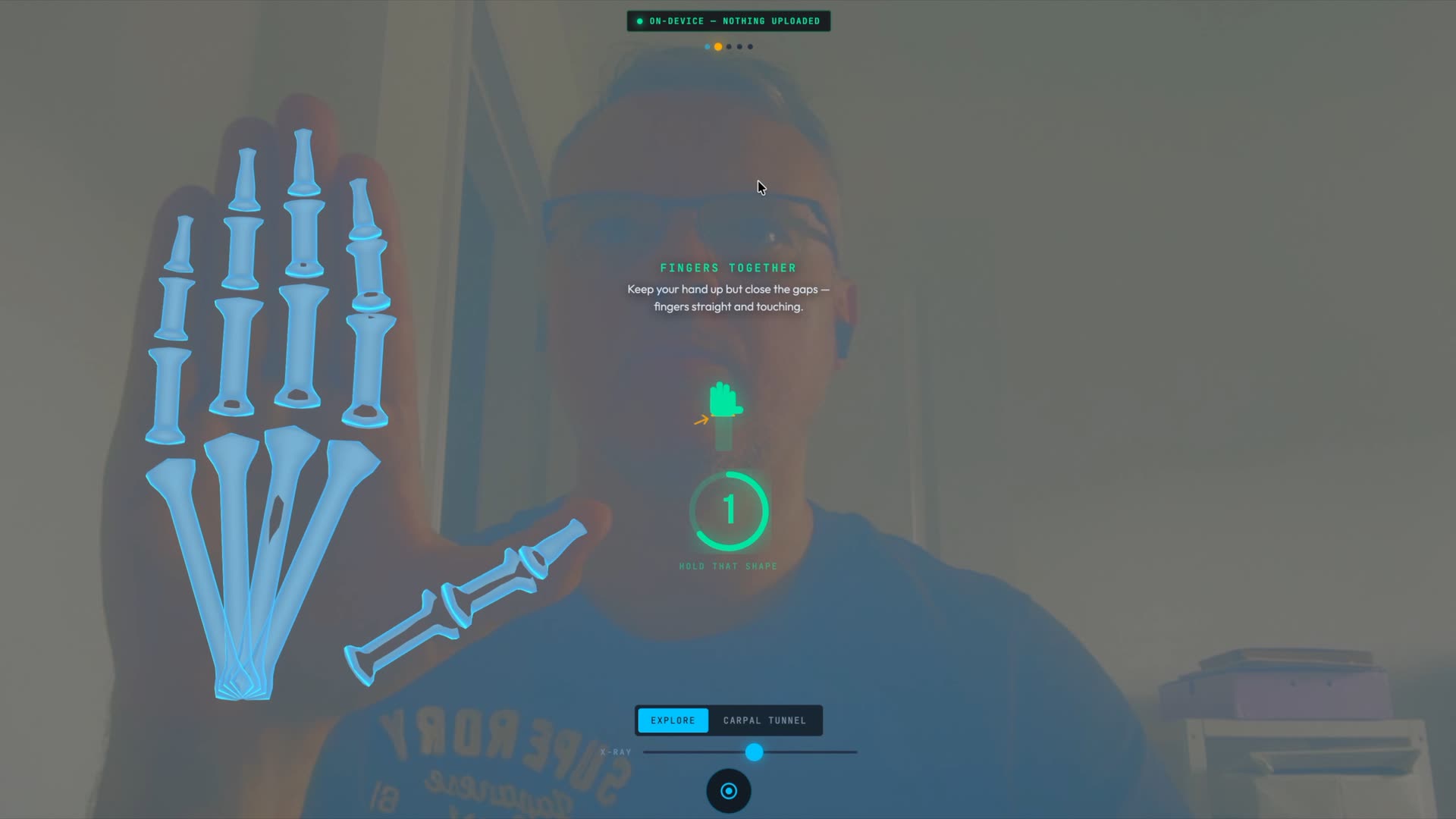
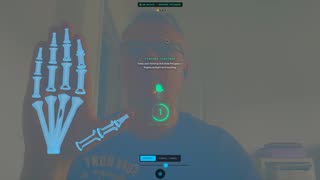
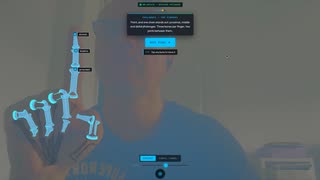
X-Ray Hand tracks your hand through the camera and draws real skeletal anatomy over it in real time. The bones sit inside your hand rather than on top of it, so your fingers pass in front of each other properly when you turn them. An X-ray slider controls how much of the camera feed shows through, and you can freeze a frame and share it.
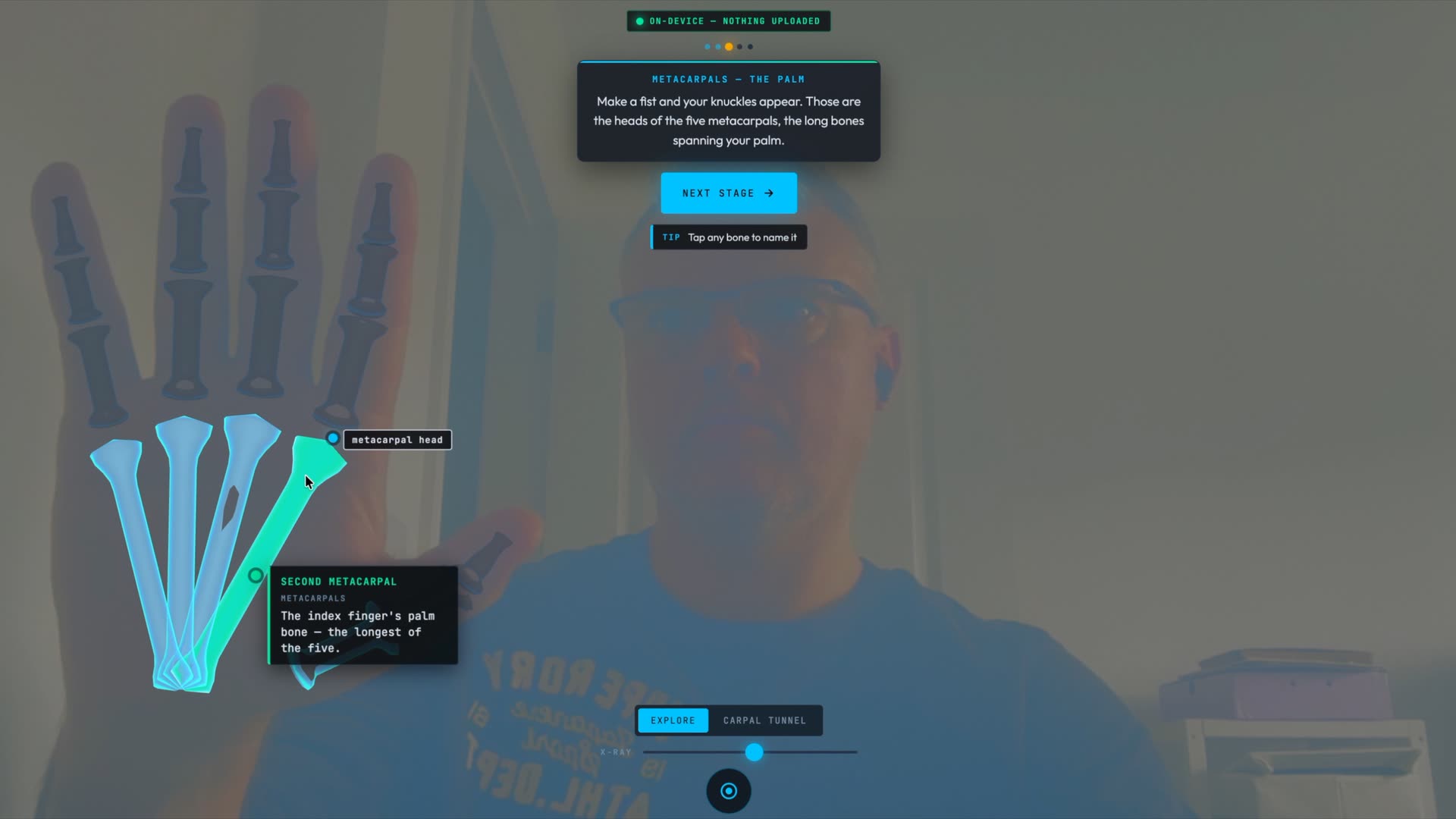
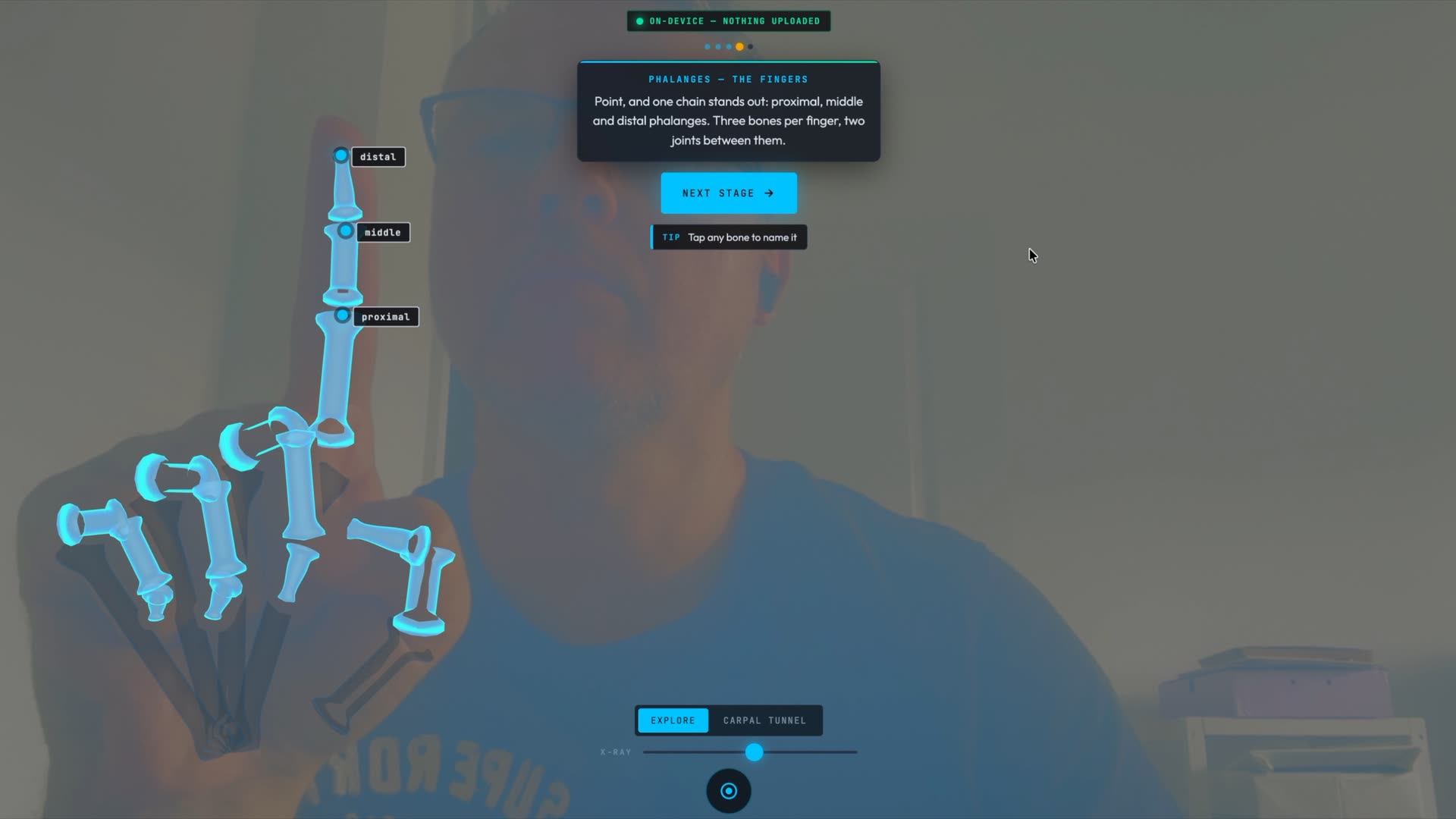
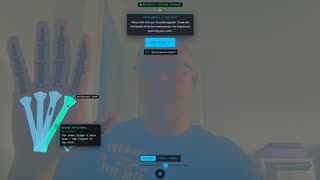
There are two modes. Explore is a five-stage bone tour: spread your fingers, flatten your hand, make a fist, point, thumbs up. Each pose reveals that group of bones and names it, and you can tap any bone at any point to find out what it is. All 27 are in there.
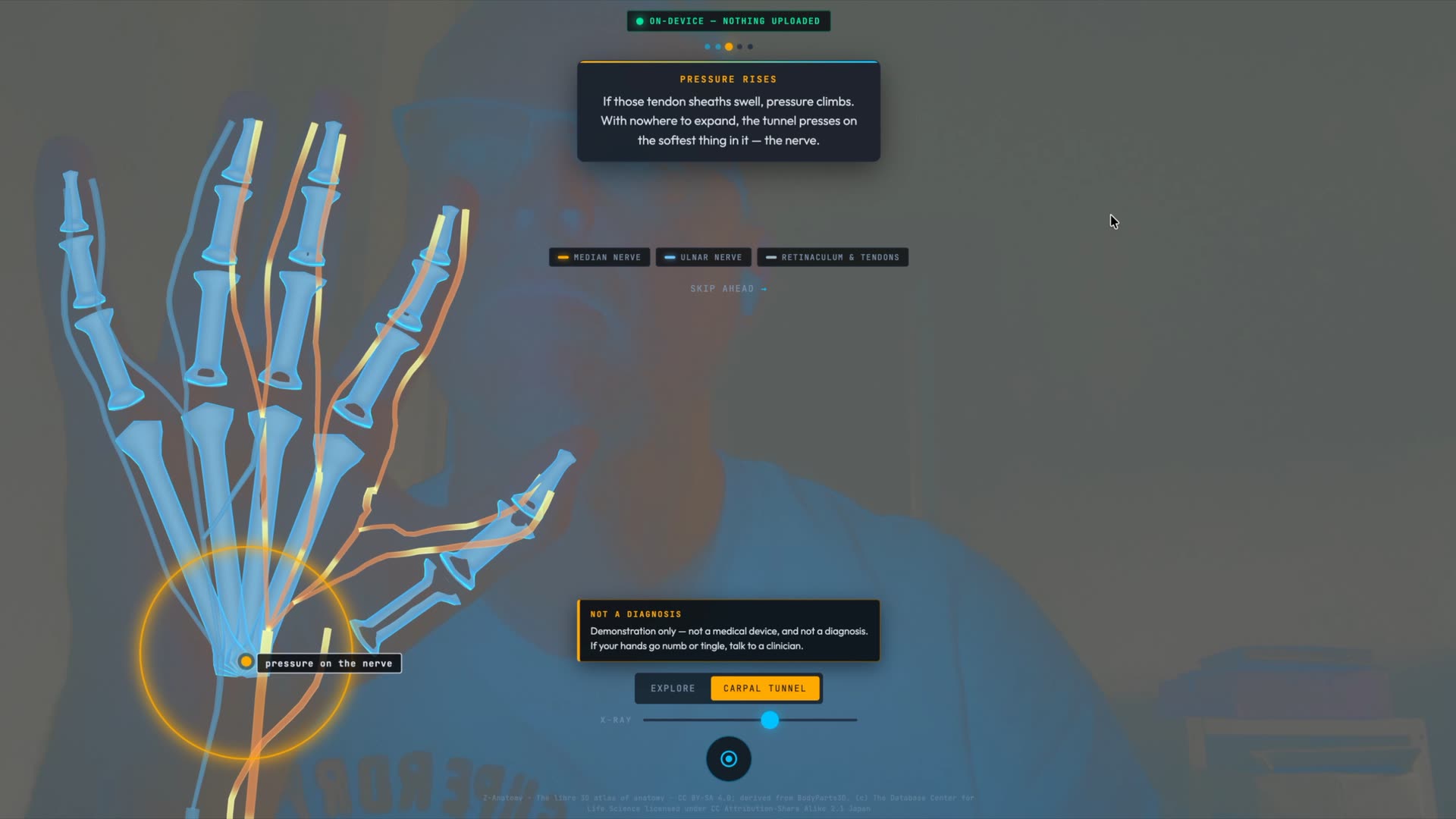
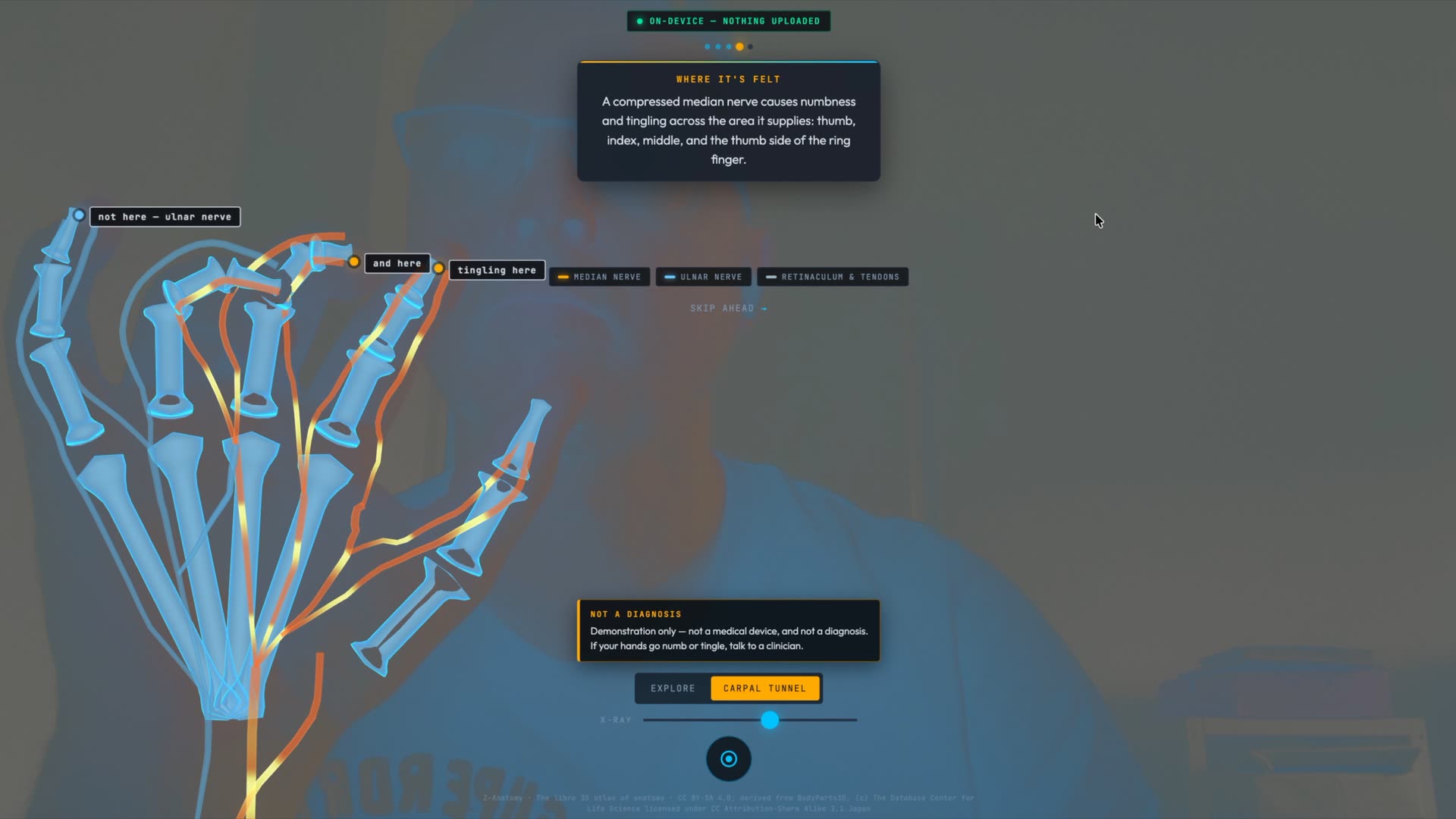
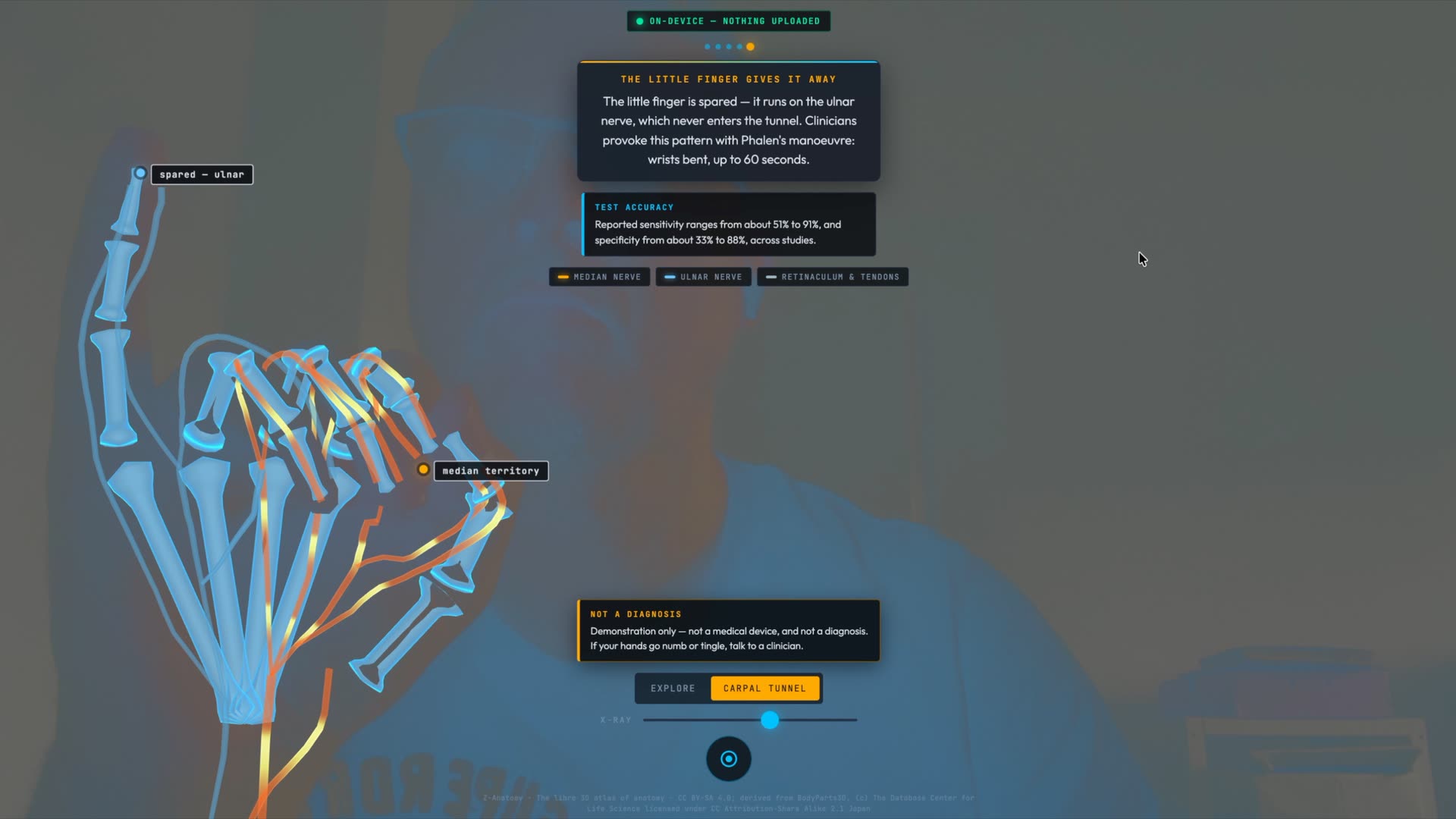
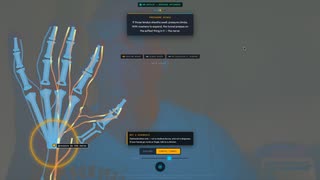
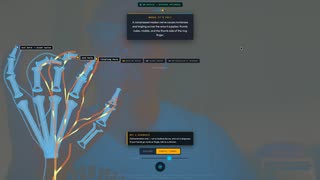
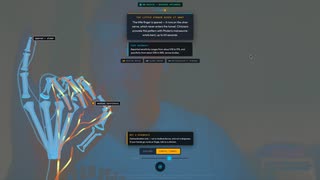
Carpal tunnel mode is the one built for a clinical audience. You hold your hand up, it counts down from three, and the median and ulnar nerves appear with the tunnel resolving around them. Pressure rises and the median territory inflames: thumb, index, middle, and the thumb side of the ring finger. The little finger stays calm, because it runs on the ulnar nerve and that never enters the tunnel. You see the spared little finger rather than read about it.
The copy never tells anyone what they have. Your wrist is neutral while you hold your hand up, so nothing is actually compressing your nerve, and the demo says so on screen. It describes the mechanism in general terms and attributes Phalen's manoeuvre to clinicians, where it belongs. Get that wrong in front of a medical audience and the whole thing loses credibility.
Both modes are finished and run on a phone or a laptop. It needs a camera and an HTTPS page, and that is the whole install.
I built it as a demonstration piece rather than a product. It shows the pipeline I would use for patient education, an HCP engagement tool or a congress stand: real anatomy, tracking that runs on the device, and nothing for the visitor to download. The medical framing is deliberately conservative throughout, which is the part that usually gets skipped.