It is the device everyone asks me about. Barely a project conversation goes by without someone leaning in and asking whether they should be doing something on it.
It is a fair question and it deserves a better answer than the two you normally get. One camp says spatial computing changes everything and you are already behind. The other says it is a £3,500 toy with no business case. Neither is right. I have built and shipped on the device, so this is what I actually think about it at the moment.
What it is genuinely good at
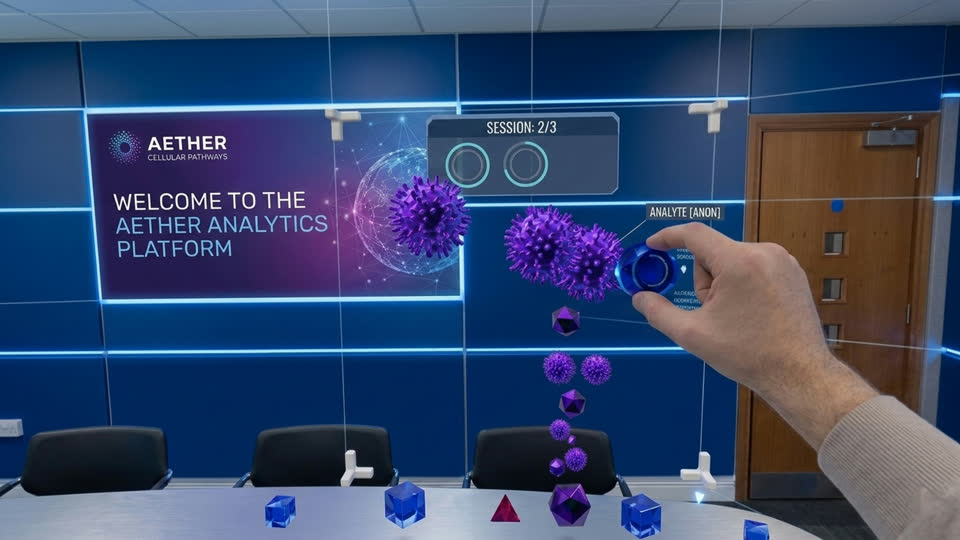
The resolution, the colour and the spatial tracking together mean you can put a life-size photoreal 3D model in front of someone and they can walk around it. A molecule, a medical device, a piece of machinery, a building. They can inspect detail that would be lost on a screen or on a cheaper headset. For sectors where the thing itself is the point, that fidelity is not a luxury. It is the whole value.
Premium one-to-one experiences. It works best when the audience is small and the stakes per person are high. An executive briefing, a high value sales moment, a flagship event touchpoint, a clinical visualisation for a specialist. The reaction is real, and when one converted viewer is worth a lot the cost per headset stops being the deciding number.
Detail-critical training. For procedures where precision and spatial understanding matter, and where getting it wrong in the real world is expensive or dangerous, the tracking and the clarity let people practise at a fidelity that genuinely carries over.
It comes down to one thing really. Vision Pro wins when fidelity and presence matter more than reach.
Where it is still hype
Cost per user at scale. At this price, everyone gets a headset is rarely the right plan. The spend decision looks completely different at one unit than it does at fifty.
Shared multi-user sessions. The most exciting pitch is a group of people collaborating in the same spatial space, and that is still the rough edge. If your use case lives or dies on several people being in it together then scope that part carefully.
Field and rugged use. It is a premium indoor device. Factory floors, outdoor sites and high throughput public deployments are not where it is comfortable.
Content production cost. Good Vision Pro content is expensive to make well, because the fidelity that makes the device impressive also raises the bar for everything you put in it. That cost belongs in the business case from day one, not later.
Vision Pro vs Quest: the spend decision
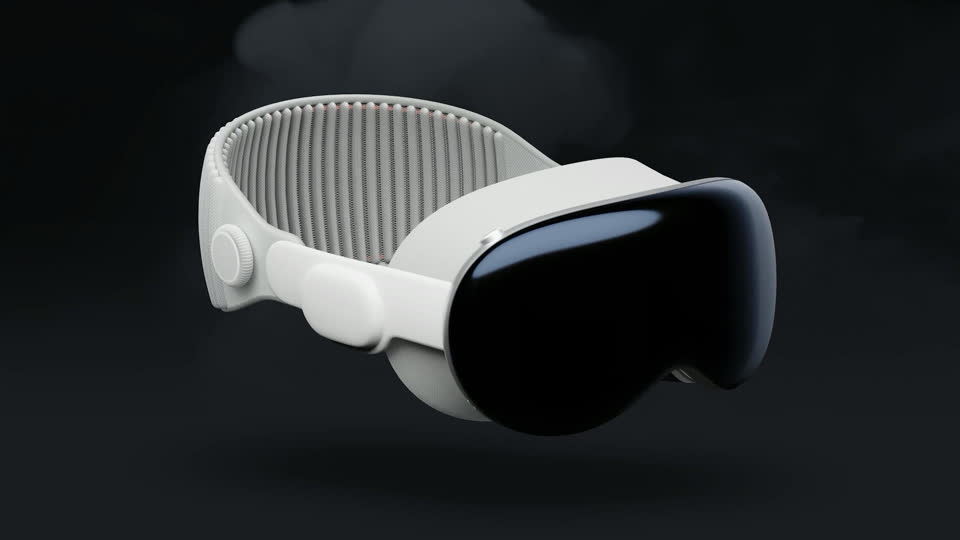
The question I actually get asked is rarely whether to buy a Vision Pro. It is Vision Pro or Quest. For a lot of projects the cheaper device is the smarter device. If your goal is to train two hundred people or hand out headsets at a trade show, a Quest deployment will get you more outcome per pound.
| Apple Vision Pro | Meta Quest | |
|---|---|---|
| Best for | fidelity, premium 1:1 | reach, training at scale |
| Cost per user | high | low |
| Fidelity | class leading | very good |
| Deploy to many | hard on cost | easy |
Vision Pro is the right call when a small number of people need the best possible experience. It is the wrong call when a large number need a good enough one.
A realistic first project
Do not start with a flagship build. Start with something tightly scoped.

- Pick one high value, low reach use case. An executive visualisation, one hero sales demo, or a single detail-critical training scenario.
- Keep the build small. A focused prototype rather than a platform. Most of mine run 150-200 hours over 6-10 weeks, and a pilot should sit at the lower end of that.
- Decide what you are measuring before you start. Engagement, comprehension, conversion, time to competence. A pilot should prove value, not just that the thing is possible.
That tells you whether the device fits your goal before you have committed a serious budget, which is the question worth answering first.
The bottom line
Vision Pro is a genuine step change for a specific shape of problem. Small audience, high stakes, and fidelity that actually matters. It is premature or just the wrong tool for anything defined by reach and scale.
The skill is not deciding whether the technology is good, because obviously it is. It is matching it honestly to what you are actually trying to do.
If you are weighing up a Vision Pro pilot and want a straight answer on whether it fits, or whether your budget is better spent elsewhere, give me a shout.